“$100 a day” gets thrown around so often in side hustle content that it’s worth pausing on what it actually means: about $3,000 a month, or roughly $36,000 a year if you kept it up every single day. That’s a real, meaningful number — and also not something most of these hustles hand you in week one. What I can offer instead is the honest version: which side hustles genuinely can reach $100 a day, what that actually requires in skill and hours, and a realistic timeline for getting there, based on what these gigs actually pay rather than what a headline promises.
Key Takeaways
- $100 a day means roughly $3,000 a month — a useful target, but rarely a week-one result for any of these.
- Skill-based freelancing (writing, design, VA work) reaches $100/day fastest for people who already have a marketable skill and a bit of a portfolio.
- Service and delivery gigs (tutoring, errands, local services) pay less per hour but start producing income almost immediately, with no build-up period.
- Content and product-based hustles (digital products, print-on-demand, affiliate content) can eventually beat $100/day passively, but usually take months of unpaid setup first.
- Most people who hit $100/day consistently are combining two or three of these, not relying on one.
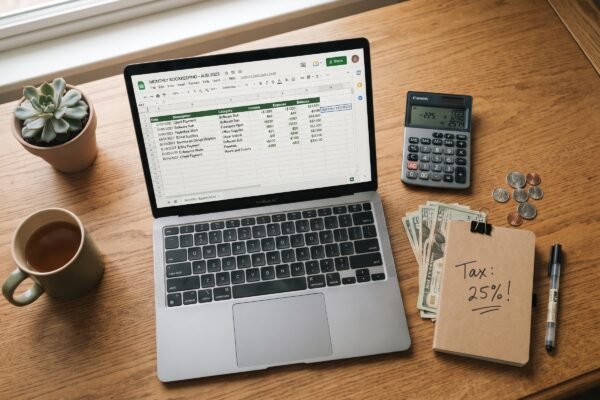
- Realistic take-home matters too — $100/day gross looks different after taxes, which is worth checking with a simple calculator before you count on the number.
Freelancing: The Fastest Path If You Already Have a Skill
Freelance writing, graphic design, web development, and copywriting are the most direct route to $100 a day, because you’re selling a skill you may already have rather than building an audience from zero. Rates on platforms like Upwork and Fiverr vary enormously — new freelancers in a competitive category like general writing often start around $15–$25 an hour, while specialized skills (technical writing, UX design, WordPress development) can command $40–$75 an hour once you have a few solid reviews.
The honest timeline: your first month or two is mostly building a portfolio and eating a few underpriced jobs to get reviews. Once you have five or six good ratings, rates and inbound requests both improve. Four to six focused hours a day at $25–$40 an hour is a realistic route to $100–$150 daily within a couple of months — not instantly, but faster than almost anything else on this list.
Online Tutoring: Steady Pay for Specific Knowledge
If you’re strong in a subject — math, a language, test prep, coding — tutoring platforms like Preply, Wyzant, or Varsity Tutors pay in a fairly predictable $15–$50 an hour range depending on subject and your credentials. Test prep and advanced subjects (calculus, SAT prep, coding) sit at the higher end; general homework help sits lower.
Three to four hours of tutoring a day at $25–$35 an hour lands you close to $100, and unlike freelancing, tutoring income tends to be steady from the first booked session rather than requiring a slow ramp-up — the trade-off is a real ceiling on how much one person can teach in a day.
Virtual Assistant Work: Flexible, Recurring Income
Businesses hire virtual assistants for inbox management, scheduling, customer support, and light bookkeeping. General VA work typically pays $15–$25 an hour; specialized VA work (bookkeeping, project management, social media strategy) can reach $30–$50. The appeal here is recurring clients — once you land two or three retainer clients at 10–15 hours a week each, the income becomes predictable in a way one-off freelance gigs aren’t. Sites like Belay and Time Etc, or simply networking in small-business Facebook groups, are common starting points.
Selling Digital Products: Slow Start, Real Upside
Templates, printables, Notion systems, and short courses can genuinely produce passive-ish income, but “passive” undersells how much upfront work is required. Realistically, expect weeks to months of unpaid effort building and marketing a product before it earns anything close to $100 a day. Once it’s built, though, a single product can sell repeatedly with no additional labor per sale — which is why this can eventually outperform hourly gigs, just not quickly. If you want the detailed playbook, I’ve written a full guide to selling Notion templates for passive income that walks through pricing and platforms in more depth.
Content Creation and Affiliate Marketing: The Long Game
Blogging, YouTube, and social content can eventually produce $100+ a day through ads, sponsorships, and affiliate links — but this is the slowest path on this list, often taking six months to a year or more of consistent, mostly unpaid work before meaningful income shows up. It’s worth pursuing if you enjoy the creative process itself, but it’s the wrong choice if you need $100 a day within a month. My affiliate marketing for beginners guide is a more honest, complete look at how that income actually builds over time.
Print on Demand: Design Once, Sell Repeatedly
Print-on-demand lets you design merchandise — t-shirts, mugs, art prints — that a supplier like Printful or Printify produces and ships only when someone orders, so there’s no inventory risk. Margins per item are usually modest, often $3–$8 per sale after production costs, which means reaching $100 a day requires either real sales volume or a few genuinely popular designs. It’s a reasonable side project for people who enjoy design, with realistic expectations that most months will be well under $100/day until you’ve built a catalog and some traffic.
Local Services: Immediate Income, No Ramp-Up
Dog walking, pet sitting, house cleaning, yard work, and local errand-running through apps like Rover, Care.com, or TaskRabbit are the most underrated entries on this list, precisely because they start paying the first day. Rates commonly run $15–$30 an hour depending on the service and your area, and demand is often strongest on evenings and weekends — which fits a side hustle schedule well. Five to six hours on a Saturday can realistically clear $100–$150, with none of the weeks-long ramp-up that freelancing or content creation requires.
Selling Handmade or Sourced Goods
Etsy shops selling handmade crafts, and resale operations sourcing from thrift stores or clearance sections for platforms like Poshmark or eBay, can both reach meaningful daily income — but they behave more like small businesses than side gigs, with real time spent on sourcing, listing, photography, and shipping. Profit margins vary widely by category; resale sellers commonly report per-item profits of $10–$40 depending on what they’re flipping. This suits people who enjoy the treasure-hunt process itself more than those looking for the fastest dollar.
Delivery and Rideshare: Flexible but Variable
Apps like DoorDash, Uber Eats, and Instacart offer some of the most flexible income on this list — log on when you want, log off when you’re done — but effective hourly pay after gas, vehicle wear, and platform fees is often lower than it first appears, commonly landing in the $12–$20 an hour range depending on your market and the time of day. Peak hours (lunch, dinner, weekend evenings) pay meaningfully better than slow midday stretches. This works best as a flexible fill-in around other income, not necessarily as the primary route to $100 a day on its own.
Stock Photography and Videography
If you already shoot photos or video, licensing them on Shutterstock, Adobe Stock, or Getty can produce a slow trickle of passive royalties — typically $0.25 to a few dollars per download, which means it takes a substantial, well-tagged portfolio before this becomes meaningful income on its own. It’s realistic as a supplement to other income if you’re already creating visual content for other reasons, less realistic as a standalone route to $100 a day.
Putting It Together: A Realistic Way to Actually Hit $100 a Day
The honest pattern I see most often isn’t one hustle scaling to $100 a day — it’s two or three stacked together. A common combination: a few hours of freelance or tutoring work on weekday evenings, plus local services or delivery work on weekends, while a slower-building project like digital products or content sits in the background for later. That combination smooths out the ramp-up period that almost every option on this list has, and it means one slow week in one hustle doesn’t sink your whole month.
Whatever you pick, treat any extra income the same way I’d recommend treating a windfall: decide in advance where it’s going the way a zero-based budget would force you to, whether that’s paying down debt, building an emergency fund, or simply breathing room in a tight month. Side income that just blends into your checking account tends to disappear without you noticing where it went.
Frequently Asked Questions
What’s the fastest way to make $100 a day?
For most people, freelancing in a skill you already have (writing, design, admin support) or local services like tutoring and errands produce income the fastest, because there’s little to no unpaid setup period. Content creation and digital products can eventually exceed $100 a day, but usually take months of upfront work first.
Can you really make $100 a day online?
Yes, but it typically requires either a marketable skill you can sell immediately (freelancing, tutoring) or months of unpaid groundwork (content, digital products, print-on-demand) before it happens consistently. Anyone promising guaranteed $100/day starting today, with no skill and no ramp-up, isn’t being straight with you.
Do I need to pay taxes on side hustle income?
Yes — income from freelancing, gig apps, and selling goods online is taxable, and once you earn $400 or more in self-employment income in a year, you’re generally required to report it, even without a 1099 form. Setting aside 20–30% of side income for taxes is a reasonable default until you know your actual rate.
Which side hustle pays the most per hour?
Specialized freelance skills — web development, UX design, technical writing, bookkeeping — tend to command the highest hourly rates, often $40–$75 once you have a track record. Delivery and rideshare work usually lands at the lower end after accounting for vehicle costs and fees.
Start with whichever option matches a skill or a few free hours you already have, give it a genuinely honest month before judging whether it’s working, and don’t be surprised if the first two weeks look like nothing. That’s normal, not a sign you picked wrong.
The Paystream shares information and frameworks to help you make your own decisions; it isn’t personalized financial or tax advice. Earnings from any side hustle vary by market, effort, and skill, and nothing here is a guarantee of income.